Ghost Networks Are Under Growing Scrutiny
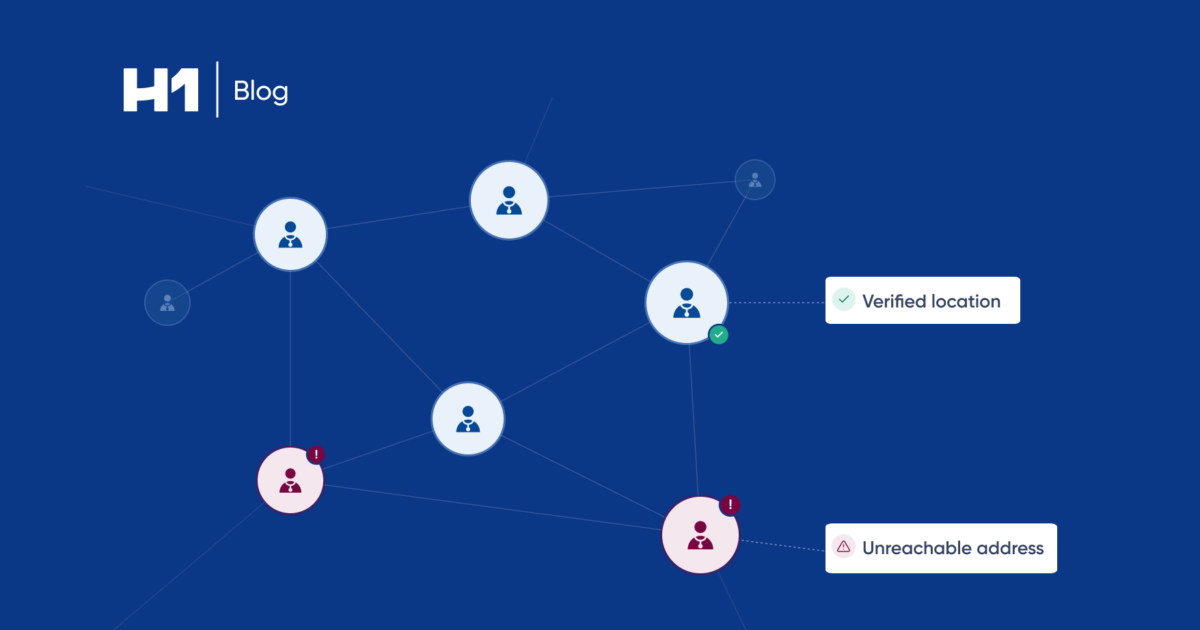
And Health Plans Need a Better Data Strategy
For years, health plans have heavily invested in improving provider directory accuracy through a combination of outreach, audits, and operational processes. But what was once viewed as an ongoing administrative challenge is quickly becoming a strategic business risk.
A wave of new regulatory requirements, increasing public scrutiny, and emerging litigation is fundamentally changing how health plans will be evaluated on provider data quality. Provider data is increasingly being recognized as critical infrastructure. Plans that can continuously verify and maintain accurate provider information will be better positioned to meet compliance requirements, reduce risk, and improve member access to care.
The Scale of the Problem Is Significant
A study published in Health Affairs found that:
- 53% of patients who searched health plan directories encountered inaccuracies.
- CMS audits of Medicare Advantage online provider directories have uncovered error rates approaching 50%.
These issues are increasingly drawing the attention of regulators and lawmakers. In February 2026, the REAL Health Providers Act was signed into law, establishing new federal requirements aimed at improving provider directory accuracy within Medicare Advantage plans. The legislation represents a shift in expectations for health plans: rather than simply maintaining directories, plans will now be required to actively verify, measure, and report the accuracy of their provider data.
Compliance requirements begin in plan year 2028, with CMS set to publish public directory accuracy scores starting in 2029. Those scores will create unprecedented visibility into directory performance and add new pressure on health plans to address longstanding data quality issues.
Legal Scrutiny Is Increasing
In May, two Massachusetts residents filed a lawsuit against Harvard Pilgrim Health Plan, alleging the insurer failed to comply with laws requiring accurate provider directories. Similar lawsuits have emerged in other states, signaling what may become a broader trend as patients and regulators demand greater accountability.
According to Ariel Katz, Co-founder and CEO of H1, the challenge is rooted in the complexity of healthcare provider data itself.
“The core challenge is that provider data is fragmented across multiple sources, manually updated, and constantly changing. Without better tools and automation, health plans struggle to keep directories current in real time. We’ll see many more of these lawsuits before health plans adapt to this landscape.”
Provider data changes continuously as physicians join and leave networks, open new practice locations, change specialties, adjust patient acceptance policies, and modify their availability. One in three providers changes their address every year and each change must be reflected across numerous systems, databases, and directories.
For many organizations, the process remains heavily manual, making it difficult to keep pace with real-world changes.
From Periodic Verification to Continuous Truth
This is why many healthcare organizations are beginning to view ghost networks not simply as a compliance issue, but as a data infrastructure challenge. Improving directory accuracy increasingly requires a combination of provider data management, automation, continuous verification, and stronger governance processes.
Organizations that invest in these capabilities can:
- improve member experiences
- reduce administrative burdens
- position themselves ahead of evolving requirements
As enforcement efforts expand and public reporting approaches, the healthcare industry is entering a new era of accountability around provider data quality. Health plans that can establish reliable, continuously updated provider information will be better equipped to meet regulatory expectations, reduce legal risk, and help members access care more efficiently.
AI Is Making Continuous Directory Accuracy Possible
Advances in AI are helping health plans address the underlying data problem of ghost networks at a scale that was previously impossible. AI offers a path toward continuous provider data management by helping organizations identify, verify, and update provider information more efficiently:
- Resolving errors at the point of data intake.
Provider rosters arrive in many formats, often using inconsistent field names and structures. AI-powered concept detection can recognize the underlying meaning of each data element regardless of format, eliminating inaccuracies before they make their way into a member-facing directory. - Synthesizing signals from a wide range of sources.
Bringing together claims data, call center interactions, contracting systems, licensure boards, sanctions databases, NPPES, PECOS, and public digital signals creates a more complete and current view of provider availability and network participation. - Providing confidence scoring and source-level provenance.
AI technology allows plans, auditors, and regulators to understand where information originated and how reliable it is. This level of transparency is becoming increasingly important as directory accuracy moves from an operational concern to a measurable regulatory requirement.
Shifting from Periodic Verification to Continuous Truth
Rather than treating provider directory maintenance as a quarterly project, leading health plans are beginning to view provider data as critical infrastructure: continuously monitored, continuously validated, and shared across network operations, compliance, IT, and member services. As regulatory expectations increase, organizations that embrace this model will be better positioned to maintain accurate directories, improve member experiences, and stay ahead of future requirements.